Report: Alaska’s economic claims for Ambler Mining Road don’t pan out
New analysis indicates it is far too soon for the State of Alaska and Ambler Metals to promise financial prosperity – or breaking even – with the proposed mining road
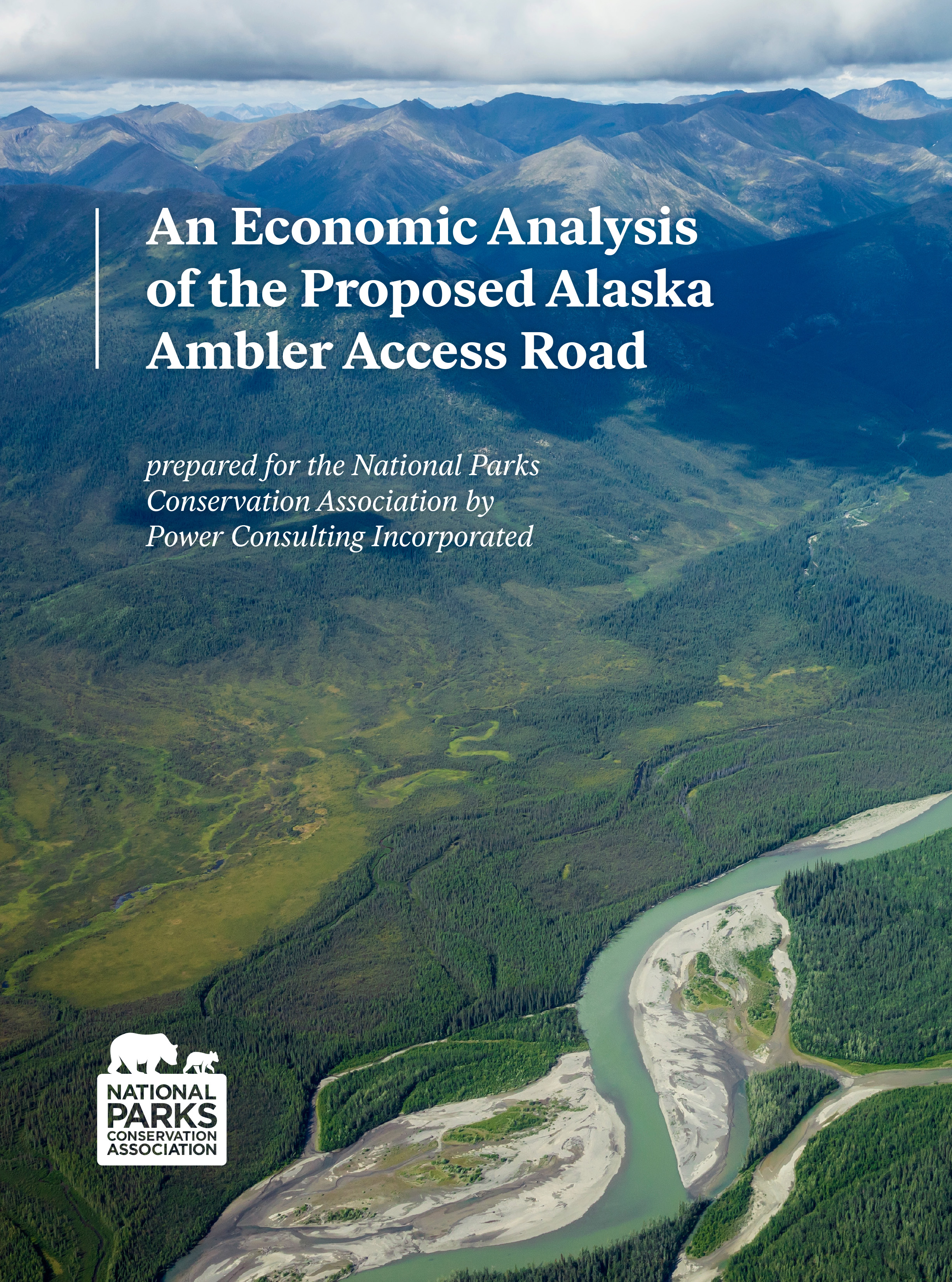
The proposed 211-mile Ambler Road isn’t the first boondoggle megaproject touted by the State of Alaska — but that doesn’t make unsubstantiated economic claims about the project any less damaging.
The industrial access corridor from the Dalton Highway to the currently undeveloped Ambler Mining District will cost upwards of $1.4 billion to construct, operate, maintain, and, ultimately, remove and remediate.
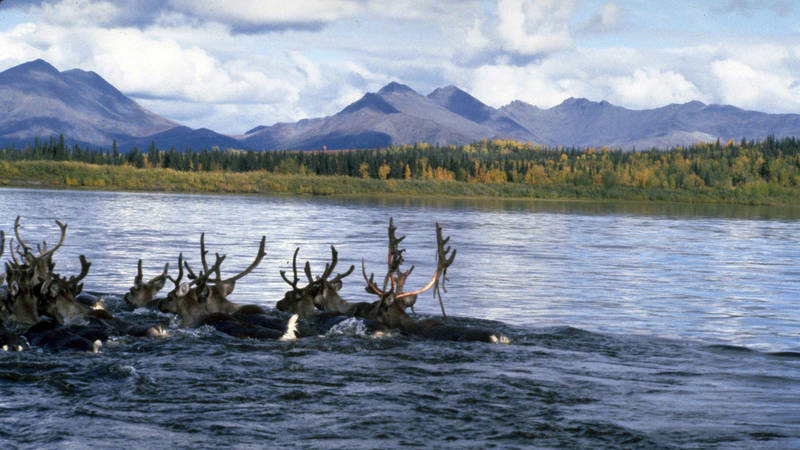
Despite that massive price tag, a recently published third-party economic report by Power Consulting indicates the State’s financing plans are highly speculative as well as risky to Alaska’s credit rating. These economic concerns are in addition to the many direct threats posed by the road which would threaten Northwest Alaska, home to 20 million acres of national park lands as well as the Western Arctic Caribou Herd which migrates over a 100 million acre range.
20 Million Acres of National Park Lands: Threatened
America’s largest national park landscape is once-again threatened by the 211-mile Ambler industrial mining road, which would slice through Gates of the Arctic National Preserve, disrupt caribou migration and threaten…
See more ›The report analyzes the State of Alaska’s plans for financing the megaproject and the projected economic benefits to the region and state.
The report found that the state’s assumption that it would break even in 30 years requires four industrial-sized mines be built in the region, even though none have begun federal permitting. It also requires the potential mines to be willing and able to pay for the road. This is not guaranteed. In fact, the report also found that the proposed Arctic Mine, the only identified potential mine with a completed feasibility study, has underestimated its likely toll and maintenance costs by nearly half. Finally, the report notes that the state’s assumption that it will make a profit over a 50-year period requires additional mining that is unidentified by the state. The report questions the State’s economic benefit claims for local communities.
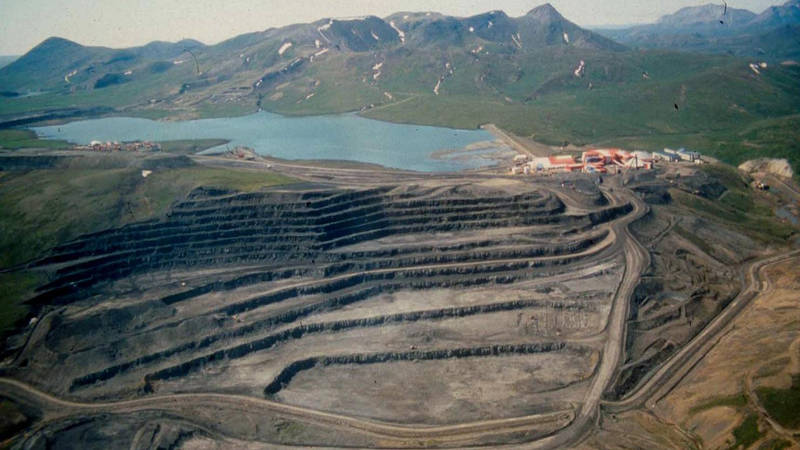
Alaskan Mining Operations Severely Underestimated Hazardous Spills
New analysis compares the predicted impacts described in permitting documents to actual spill records from five major operational hardrock mines.
See more ›Financial benefits would primarily go to the multi-national mining companies associated with the proposed Ambler Mining District mines, versus the local people and economies that stand to be impacted the most by the development and related consequences. Small villages unconnected from the proposed Ambler road system would not be able to supply goods, supplies, or services which the mines would require, and the State’s claims regarding local employment are far from guaranteed.
The report indicates that under a best-case revenue scenario, the State projects a return on investment from the road at 5 to 10 times less than what would be made from investing in bonds instead.
Ultimately, the report determined it is far too soon for the State of Alaska and mining companies to project profitability, economic net benefit, or even financial viability for the proposed megaproject.
For Media Inquiries
-
General
-
- NPCA Region:
- Alaska
-
Issues
-
Blog Post
Why Draining Mojave’s Aquifer is a Really Bad Idea
Pulling water from the Mojave Desert would damage prized national parkland and deepen water insecurity for communities. Here are frequently asked questions about the latest attempt by Cadiz Inc. to…
-
Blog Post
Which Presidents Have Created the Most National Monuments?
Presidents from both political parties have used the Antiquities Act to preserve the landscapes and historic places that help tell America's story. Some of these stories are now being threatened…
-
Blog Post
Inside the FY26 National Park Service Budget
In January, park advocates across the country celebrated the passage of the fiscal year 2026 funding bill that includes the National Park Service budget. But what does this hard-won funding…